
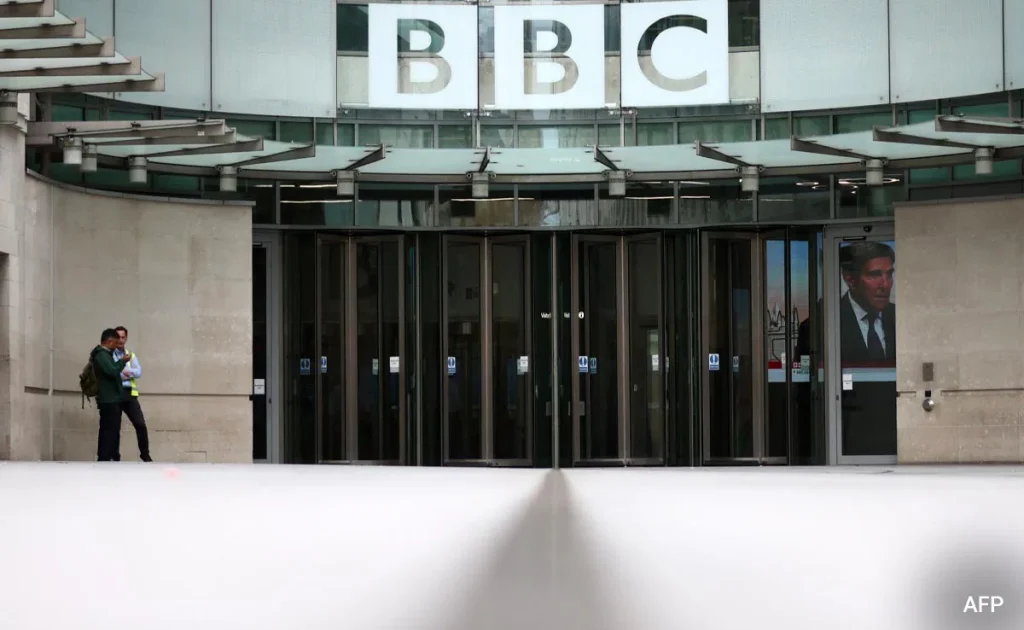
The BBC is to take BBC Three off linear television for a second time in a decade, with the youth-focused channel set to close in spring 2027 as part of a sweeping £500 million cost-cutting programme.
BBC Scotland and Radio 4 Extra will also cease broadcasting as traditional television and radio networks under the plans, although all three brands will continue to have a presence on the BBC’s digital platforms.
The announcement marks another major shake-up for the corporation, which is under growing financial pressure as it looks to reduce costs and reshape its services for changing audience habits.
BBC Three, which helped launch some of Britain’s best-loved television programmes, including Fleabag, Gavin & Stacey and This Country, will remain available on BBC iPlayer. The corporation has also pledged to increase its investment in content aimed at younger audiences.
The channel was first taken off traditional television in 2016 and moved online as the BBC sought to reach younger viewers through digital platforms. However, the decision was reversed under former director-general Tim Davie, with BBC Three returning to broadcast television in 2022.
Its second departure from the television schedule comes despite the channel’s record of developing distinctive comedy and entertainment programmes. In recent years, BBC Three has been home to shows including Things You Should Have Done and Smoggie Queens, alongside entertainment formats such as RuPaul’s Drag Race UK, which was recently cancelled.
BBC Scotland will also be retained as a brand on iPlayer, while much of the programming currently carried by Radio 4 Extra is expected to remain available through BBC Sounds.
In a message to staff outlining the changes, BBC director-general Matt Brittin said the corporation needed to make its money work harder as it faced rising costs and prepared for the future.
“We need to make every pound work harder for audiences as we respond to the immediate cost pressures and reinvent the BBC for a changing world,” he said. “We all know that means tough choices.”
Brittin acknowledged that the closures would be difficult for both audiences and staff, adding that much of the content currently available on the affected networks would continue to be accessible through the BBC’s digital services.
The £500 million savings target adds to an existing £1.5 billion cost-cutting programme, with the corporation seeking to address the financial challenges facing the publicly funded broadcaster.
Up to 2,000 jobs are at risk across the organisation as part of the wider savings strategy. The BBC has also announced plans to cut 100 jobs in its news division over the coming months, in a move expected to save £5.5 million.
Further reductions have affected other parts of the corporation, including its technology teams, sports coverage and individual programmes. The broadcaster has also faced criticism and internal tensions over proposed changes to staffing and pay, with unions rejecting two pay offers and the possibility of industrial action remaining a concern.
The financial pressures come as the BBC enters crucial discussions with the government over the renewal of its royal charter and the future of its funding arrangements.
Although 94% of the UK population use BBC services each month, fewer than 80% pay the annual television licence fee, currently £180. The corporation is looking to close that financial gap while continuing to serve audiences across television, radio and digital platforms.
The closure of BBC Three as a linear channel will once again raise questions about the future of traditional broadcasting and how the BBC should reach younger viewers.
Its original move online was widely seen as an early recognition of the shift towards on-demand viewing, with programmes such as Fleabag going on to achieve considerable critical and commercial success.
The return to television in 2022 represented a change of direction. Now, less than five years later, the BBC is preparing to reverse course once again as financial pressures take priority.
For viewers, BBC Three will not disappear altogether, but its place in the traditional television landscape is set to come to an end in spring 2027.
Pingback: Scottish Culture Secretary Vows to Challenge BBC Scotland Channel Move to iPlayer – The Pres Desk