
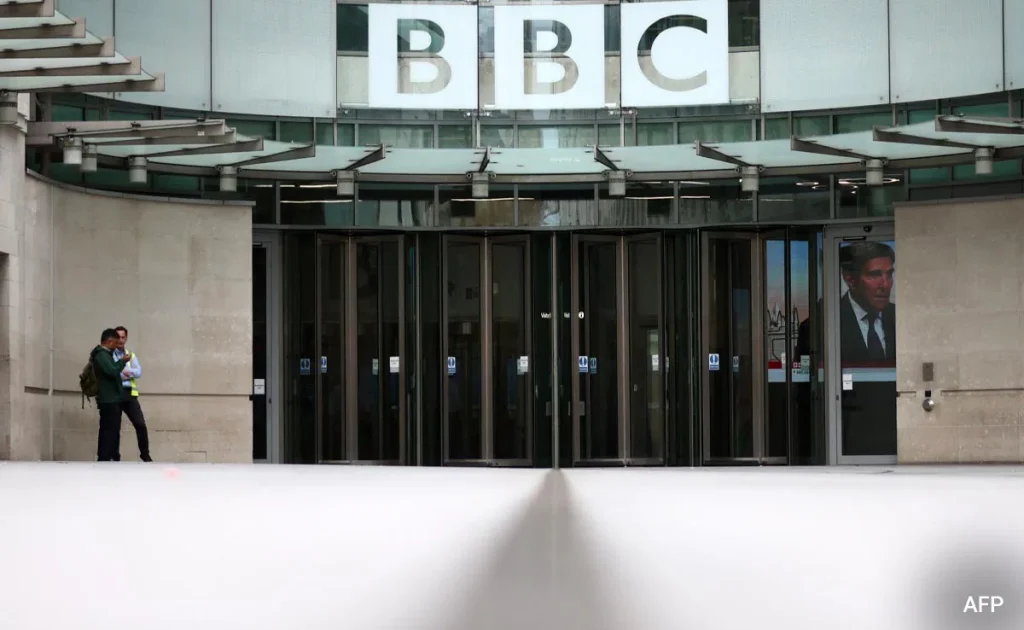
Watching Netflix, YouTube and other streaming services could soon mean paying for a TV licence under proposals being considered by the Government as part of a major overhaul of BBC funding.
The plans could see the £180 annual licence fee extended to online platforms, including Disney+ and Amazon Prime Video, which are currently exempt. The proposals aim to address concerns that people can avoid paying the fee by watching content on phones, tablets and laptops rather than traditional television.
According to The Independent, the proposals are among several options being considered ahead of the renewal of the BBC’s royal charter. A White Paper setting out plans for the broadcaster’s future funding and regulation is expected before Christmas.
The idea has already been dubbed a “YouTube tax”, reflecting the growing popularity of online video platforms.
A BBC spokesperson said the corporation had long argued that its existing funding arrangements needed reform.
“We have consistently argued that the current funding model is outdated and needs reform,” the spokesperson said.
The BBC added that it would continue working with the Government to secure a new charter providing “sustainable, sufficient and universal funding” for the broadcaster.
The Department for Culture, Media and Sport (DCMS) said the BBC needed a funding model that was sustainable and fair to those who paid for it.
“Through charter review, we are looking at a range of options, including how the licence fee could be reformed, but no final decisions have been made,” a spokesperson said.
BBC calls for a funding model fit for the streaming age
The proposals come as BBC director-general Matt Brittin pushes for changes to how the corporation distributes its content and generates revenue.
Last month, Brittin said he wanted BBC News to be available on streaming platforms such as Netflix, arguing that the broadcaster needed to reach audiences wherever they chose to watch and listen.
Speaking on Sunday with Laura Kuenssberg, he said the current system required people to pay a licence fee if they watched live television or used BBC iPlayer.
Brittin said he wanted reforms that would allow BBC content to appear on platforms including Netflix, YouTube, TikTok, Spotify and Instagram.
He has previously described the existing licence fee as no longer fit for purpose and suggested that a household levy could be one alternative.
DCMS officials have also described the current arrangements as outdated, recommending that the Government consider extending the fee beyond traditional television. They have suggested the annual charge could potentially be reduced, although officials acknowledged that introducing a universal household levy could prove difficult.
Licence fee income continues to fall
The debate comes amid a decline in the BBC’s licence fee income. Revenue has fallen by more than £1 billion in real terms over the past decade, while the corporation’s 2026 annual report showed that licence fee sales dropped by more than 500,000 during the 2025/26 financial year.
The BBC’s royal charter is renewed every 10 years, with the current charter due to expire in December 2027.
Any changes to the funding system could therefore have a significant impact on how households pay for the BBC in the years ahead.
For now, extending the licence fee to streaming services remains a proposal under consideration, and the Government has yet to make a final decision.